
I have huge respect for the humble jaw, it's mechanism is designed to switch between eating and speaking and is quite beautifully designed. I'm re-discovering just how much I enjoy working with jaw issues.
Jaw Pain - Teeth Grinding - Clicking Jaw?
Ortho-Bionomy® can be very effective for jaw / TMJ (Temporomandibular) issues.
Last week I worked with someone who could hardly open her jaw. I'm not mentioning her name to preserve anonymity and this is NOT a photo of her! She had nerve pain in her teeth and face, swelling around the face & jaw and had lost weight due to not being able to eat properly. By the end of the first session the swelling & pain had reduced, she could open her mouth wider and her jaw could move from side to side - at the start of the treatment there was zero side to side movement. 
About the Jaw
On a different note, when we talk, the jaw moves slightly forward then hinges down. A not so fun fact is sometimes the jaw gets stuck in either the forward or resting back position - meaning the initial forward movement is impinged.
There are many muscles attached to the jaw. When working with jaw issues I'll check the muscles that might be pulling the jaw out of alignment and release any tension in them. This gives the jaw a chance to come back to its correct alignment. If the jaw is getting stuck or has uneven movement when opening (often one side is more mobile than the other) I'll use gentle non invasive techniques to facilitate smoother, balanced movement. I will also work with neck & shoulders muscles, the base of the tongue, first and second ribs and the clavicle bones. If there's an imbalance in any of these, they can sometimes pull on the muscles attached to the jaw & pull it out of alignment. The aim is for the jaw to settle into its resting place & for the surrounding muscles not to be over recruiting or pulling unevenly. Next time you or someone you know has jaw issues consider an Ortho-Bionomy treatment. Here's to Pain Free Jaws & Reduced Damage to Teeth!
A Little Self Care Goes a Long Way
If you would like a simple self care freebie to start a new relationship with your jaw, sign up to my bi-monthly newsletter. The newsletter offers updates & access to self care tips for various conditions & injuries.
The Healing Switch is located in Inner West Sydney. Fiona Munro is an accredited, fully qualified Ortho-Bionomy practitioner with over 1000 hours of training and 15 years experience working with pain and injuries.
0 Comments
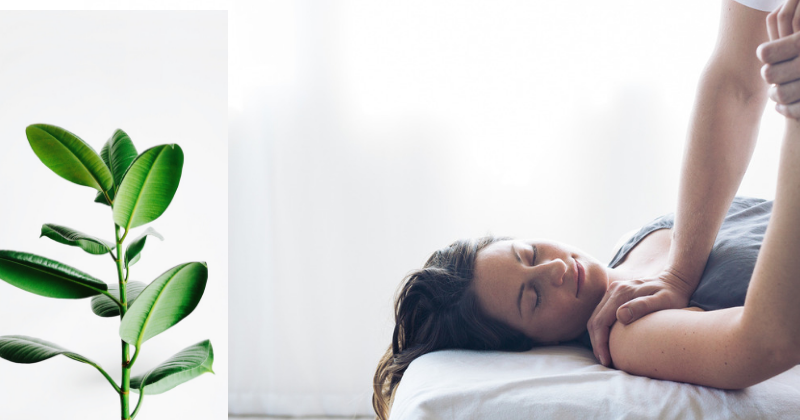
Most of us take our shoulders for granted when they’re in a happy place and moving freely. Most of us have also had a shoulder issue at least once in our lives.
Shoulder pain can interrupt sleep, limit our everyday activities, get on our nerves & wear us down. Impingement in the shoulder girdle can also cause headaches and lead to more serious issues such as frozen shoulder, bursitis or rotator cuff injury.

Reducing the 'scare' factor of a shoulder injury
Sleepless nights and ferocious pain can sometimes be alarming. The good news is there are effective ways to address underlying shoulder problems leading to relief from pain and freedom to move again.
Celebrate the shoulder - it’s a heavy lifter!
The shoulder joint is the only joint in our body designed to move in every direction. Think about this for a minute – in everyday movements our shoulder moves forward, upward and backwards.
To enable the shoulder to move in all directions, the ligaments that hold the upper arm bone (humerus) in the shoulder socket are relatively loose - they’re not doing much stabilizing. So what’s stabilizing the shoulder joint if the ligaments aren’t? You’ve probably heard the term “rotator cuff”. This refers to four muscles attaching from the shoulder blade to the upper arm bone (humerus). They surround the upper arm bone like a sleeve or ‘cuff’. These muscles are designed to relax so the shoulder can move freely in all directions, they're also designed to contract when needed, to stabilize the shoulder.
|


|
Bi-Monthly Newsletter
|
For long term benefit, it's worth investigating & addressing underlying structural issues. Along with the more immediate benefits of reducing pain & inflammation.
|
|
If someone has Bursitis I’ll release the pressure around the inflamed area & importantly I’ll also address underlying structural issues that might be contributing to the Bursitis.
I use gentle targeted movements & techniques to release restricted areas. By taking pressure & tension off the surrounding bones, muscles & tendons, the flow of the special white blood cells (macrophages - the bodies natural mechanism to clear inflammation) is increased which helps clear inflammation.
I also address underlying structural issues that might be contributing to the Bursitis. The bones involved might be in odd positions & pulled out of alignment. I’ll make pain free adjustments to help the body settle into a better situation.
Bursitis is the inflammation of a Bursa. A Bursa is a sac filled with fluid, designed to keep two structures from being in direct contact with each other. A good example is two bones in a joint eg. the hips. A Bursa is developed by the body to completely separate the bones. It also facilitates gliding action of the bones enabling them to slide over each other without causing friction and wear & tear.
Sometimes the Bursa gets inflamed and this is called Bursitis. This can be caused by injury, repetitive movement or postural positions that put extra pressure on the Bursa.
In the case of injury sometimes one or more bones in the joint have stopped moving (the bodies way of protecting itself) The aim is to restore functional movement so that people can do the things they love to do.
In the case of structural issues, the bones involved might be in odd positions & pulled out of alignment. In treatments I'll use gentle techniques to help restore a healthy muscular skeletal structure so the body can settle into its best situation.
If you can think of someone who has Bursitis and might find this helpful please share this link.
In the meantime may we find the best version of ourselves and our bodies!
Fiona Munro
The Healing Switch
I use gentle targeted movements & techniques to release restricted areas. By taking pressure & tension off the surrounding bones, muscles & tendons, the flow of the special white blood cells (macrophages - the bodies natural mechanism to clear inflammation) is increased which helps clear inflammation.
I also address underlying structural issues that might be contributing to the Bursitis. The bones involved might be in odd positions & pulled out of alignment. I’ll make pain free adjustments to help the body settle into a better situation.
Bursitis is the inflammation of a Bursa. A Bursa is a sac filled with fluid, designed to keep two structures from being in direct contact with each other. A good example is two bones in a joint eg. the hips. A Bursa is developed by the body to completely separate the bones. It also facilitates gliding action of the bones enabling them to slide over each other without causing friction and wear & tear.
Sometimes the Bursa gets inflamed and this is called Bursitis. This can be caused by injury, repetitive movement or postural positions that put extra pressure on the Bursa.
In the case of injury sometimes one or more bones in the joint have stopped moving (the bodies way of protecting itself) The aim is to restore functional movement so that people can do the things they love to do.
In the case of structural issues, the bones involved might be in odd positions & pulled out of alignment. In treatments I'll use gentle techniques to help restore a healthy muscular skeletal structure so the body can settle into its best situation.
If you can think of someone who has Bursitis and might find this helpful please share this link.
In the meantime may we find the best version of ourselves and our bodies!
Fiona Munro
The Healing Switch
I’m curious to know, can you sit comfortably for more than 10 minutes without leaning into the back of your chair?
Fiona Munro
Director at The Healing Switch. Fully qualified Ortho-Bionomy Practitioner, Ka Huna masseuse and Yoga Teacher. She is registered with Ortho-Bionomy Australia Ltd and a Board Director on the OBA Ltd Board of Directors.
Archives
September 2018
May 2018
April 2018
November 2017
Categories
All
Freedom From Shoulder Pain
Frozen Shoulder
Learning To Sit With Comfort
Pain Free Approach To Bursitis
Rotator Cuff Injury
Self Care For Hip & Lower Back Pain
 RSS Feed